





Travelling with young children can feel overwhelming, especially when navigating busy European airports, strict cabin size rules, and long queues. The right travel gear makes a remarkable difference, turning stressful transitions into smooth, manageable moments for both parents and kids.
This guide breaks down what families truly need for easier trips. You’ll also find packing strategies, comfort essentials for long flights, and practical tips to keep little ones entertained at every stage of the journey. Designed for parents who want smart, durable, family-friendly solutions, this article helps you choose travel gear that supports your child’s needs while simplifying your own.
Why choosing the right travel gear makes every family trip easier
The right travel gear does more than carry belongings. It reduces physical strain, speeds up transitions, and creates calm in chaotic moments. When you're navigating a busy terminal with a tired toddler, fumbling through a disorganized bag searching for a pacifier or snack creates unnecessary stress that ripples through everyone.
Quality family travel gear anticipates real situations. It provides quick access to essentials during security checks. It distributes weight evenly, so parents don't arrive at destinations with aching backs. It keeps children comfortable and entertained, which keeps them cooperative.
Poor gear choices compound every challenge. Heavy bags make long terminal walks exhausting. Poorly organized luggage means constantly unpacking and repacking. Equipment that doesn't account for EU cabin baggage rules creates problems at check-in and boarding. Understanding family-friendly airlines in Europe and their specific requirements helps you choose compatible gear from the start.
The best light travel gear for families serves multiple purposes. A well-designed carrier provides comfort during airport transfers and becomes useful at the destination. Smart luggage offers storage and entertainment. Thoughtful design means fewer items overall, which paradoxically makes travel easier despite bringing less.
What parents really need for stress-free travel with toddlers and babies
Strip away marketing hype and focus on what genuinely improves the travel experience. Travelling with a toddler requires gear that addresses specific pain points: managing multiple items simultaneously, keeping children calm during transitions, and accessing essentials quickly.
Core essentials that genuinely matter:
- Organized luggage with dedicated compartments for quick access items
- Ergonomic carrier that keeps hands free for managing other tasks
- Compact entertainment options that engage without creating a mess
- Snack containers that prevent spills and keep food accessible
- Changing essentials in a grab-and-go pouch
- Comfort items children actually use and love
Packing for a baby in Europe requires understanding what's available at destinations versus what must travel with you. European cities offer excellent pharmacies and shops, so bringing economy-size supplies of common items wastes precious luggage space. Focus on the favorites your child specifically needs.
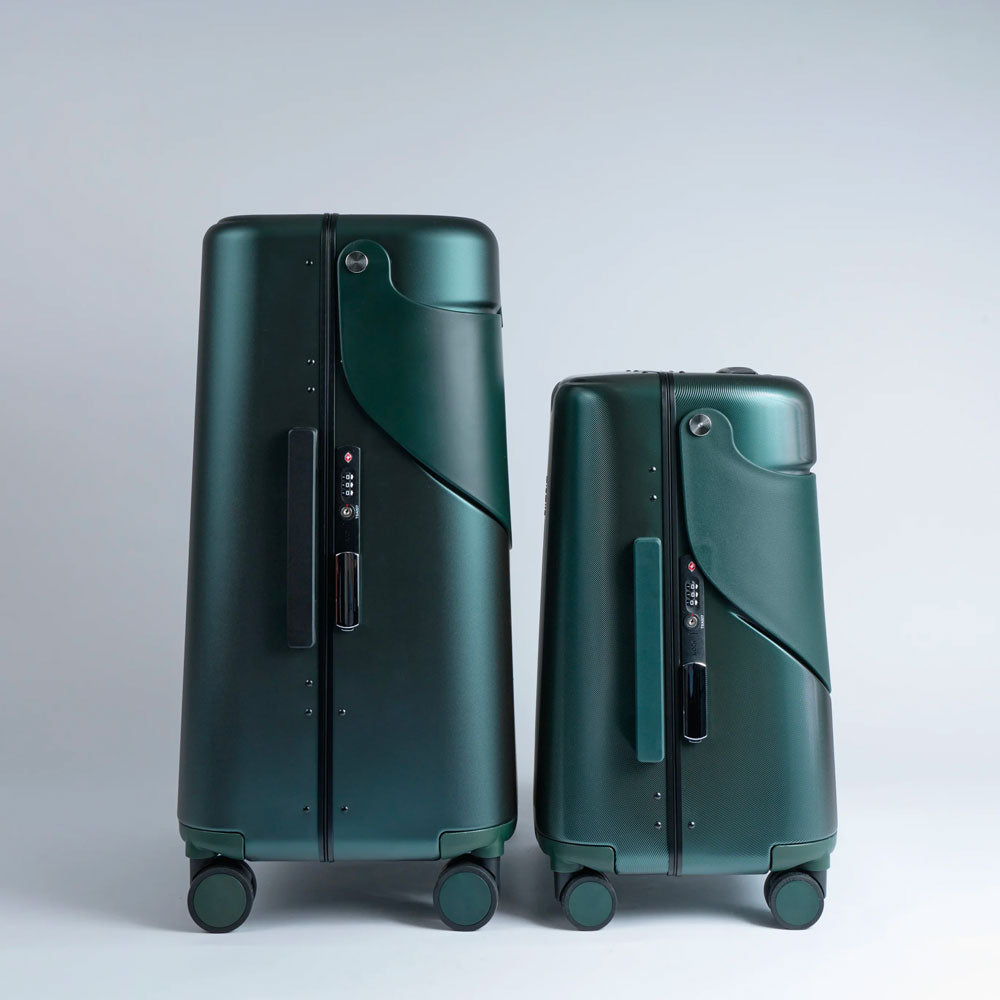
The MiaMily Carry-On exemplifies thoughtful design for family needs. Multiple compartments keep essentials organized and accessible. The structure maintains shape even when partially full, preventing the frustrating collapse that makes finding items impossible. Using a stress-free packing system transforms chaotic bag searches into calm retrieval.
Understanding baby food customs regulations prevents security checkpoint stress. In the EU, baby food and milk are exempt from the 100ml liquid restriction, but you may need to declare them. Bring only what you'll genuinely need during the journey.
Compact baby travel essentials should include feeding supplies, changing necessities, one complete outfit change, basic first aid, and genuine comfort items. Resist the temptation to pack "just in case" items that add weight without a realistic benefit.
How to choose child-friendly travel gear that actually works
Not all products marketed to families actually serve family needs. Some add bulk without functionality. Others promise convenience but create complications. Choosing wisely means evaluating gear against real travel scenarios.
Questions to ask before purchasing:
- Does this solve an actual problem we face while traveling?
- Can it serve multiple purposes across different situations?
- Will it fit within airline size and weight restrictions?
- Is it genuinely easier than simpler alternatives?
- Does it work for our child's specific age and temperament?
Travel toys for toddlers exemplify this decision-making process. A bulky toy kitchen might delight at home, but it becomes a dead weight in luggage. Meanwhile, a simple set of stackable cups provides entertainment, works as bath toys at hotels, and packs flat.
Airplane comfort items for kids should prioritize actual comfort over novelty. A special travel pillow sounds appealing, but many children prefer their familiar blanket from home. A new electronic toy might promise hours of entertainment, but familiar favourites often work better because children know exactly how to use them when tired or stressed.
Understanding how smart luggage design reduces family travel stress helps identify which features genuinely matter. Look for durability, organization, and ease of movement.
When evaluating the best family luggage for every type of trip, consider your specific travel patterns. Frequent short trips need different solutions from occasional long journeys.
Multi-functional items like ride-on luggage for toddlers exemplify smart design. Children can ride when tired, push when energetic, and use it for storage throughout. One item solves multiple problems without requiring extra space.
Smart packing tips for families with young children
Efficient packing isn't about fitting more into luggage. It's about bringing exactly what you need and knowing where everything is instantly. The packing list for toddlers' European flights should balance preparation with practicality:
- Organize by function rather than person: Create dedicated pouches for specific activities. One bag holds all the changing supplies. Another contains snacks and feeding items. A third has entertainment options. When your toddler needs a distraction during boarding, you reach for the entertainment pouch rather than digging through everything.
- Pack in layers based on access frequency: Items needed during flights stay in easily accessible compartments. Things required only at destinations go deeper. This strategic layering prevents constant repacking and speeds up every transition.
- Toddler entertainment ideas for airports should be compact and engaging. Pack items like magnetic drawing boards, reusable sticker books, or simple card games. Rotate activities to maintain interest throughout layovers and flights.
Consider your toddler's sleep schedule on travel days when packing comfort items. If travel coincides with normal nap times, ensure sleep essentials like favourite blankets or pacifiers remain easily accessible.
Many European airports offer toddler-friendly airport zones, and airport soft play recommendations vary by terminal. Research your specific airports beforehand. Frankfurt, Munich, and Amsterdam particularly excel at providing designated play areas where children can burn energy before flights.
Family check-in services in Europe differ between airlines and airports. Some offer dedicated family lanes that reduce waiting time. Arrive early enough to take advantage of these services and give yourself buffer time for unexpected delays.
Travel carriers and babywearing gear that simplify airport transfers
Hands-free travel with toddlers transforms the airport experience from a juggling nightmare to a manageable journey. Carriers free hands for managing boarding passes, luggage, and older children while keeping babies or toddlers secure and comfortable.
The MiaMily HIPSTER Air and HIPSTER Essential have different approaches to the same need. The Air version provides maximum breathability for warm climates. The Essential offers versatile everyday use across varying conditions.
Choosing the right baby carrier for travel involves considering several key factors. How quickly can you get your child in and out during security? Does it pack small enough to fit in a carry-on when not needed? Can you wear it comfortably for extended periods while managing luggage?
Ergonomic design matters enormously. Poor carriers create back pain that worsens throughout travel days. Well-designed options distribute weight across hips and shoulders, making even long carries manageable.
Airport transfer options for families often reveal the true value of babywearing. Shuttle buses with limited space, escalators where strollers become obstacles, crowded platforms where keeping children close matters for safety—carriers handle all these scenarios gracefully.
Consider versatility across your trip. A carrier useful only at airports provides limited value. Choose options that work for sightseeing, hiking, or navigating cobblestone streets at destinations.
Safety essentials parents should never travel without
Child safety products for travel form the non-negotiable foundation of family trips. No amount of convenience or entertainment matters if basic safety gets compromised.
Critical safety items:
- First aid supplies, including bandages, antiseptics, fever reducers, and any prescription medications, with extras for delays
- Emergency contact information, including paediatrician, insurance details, and local emergency numbers for destinations
- Identification for children, including copies of passports or birth certificates
- Hand sanitizer and disinfecting wipes for surfaces
- Sun protection appropriate for destinations
- Any allergy medications or emergency treatments
Keep medications in original packaging with clear labelling. This speeds up security checks and provides dosing information if needed. Bring more than you expect to need—delays happen, and finding specific children's medications in unfamiliar locations creates unnecessary stress.
Create laminated cards with critical information in local languages: allergies, medical conditions, and emergency contacts. If separation occurs or medical care becomes necessary, these cards communicate essential details when language barriers exist.
The family travel checklist for Europe should account for different standards than other regions. Electrical adapters, understanding of metric measurements for medication dosing, and awareness of different product availability all factor into smart decisions.
Smart family travel comes down to intentional choices about gear, packing, and preparation. The right equipment doesn't guarantee perfect trips, but it removes unnecessary obstacles and creates space for the moments that make travel worthwhile: the wonder in your child's eyes seeing a new place, the pride they feel managing their own luggage, and the memories you're creating together.