





Layovers can feel long and challenging for families, especially in large European airports, where crowds, queues, and waiting areas can easily overwhelm young children.
This guide helps parents navigate layovers with confidence by highlighting kid-friendly airport spaces, practical activities, smart travel gear, and simple routines that keep children calm and entertained between flights. From play areas and lounges to hands-on games and movement breaks, it provides solutions that make family travel smoother and more enjoyable.
Why layovers feel harder for kids in busy European airports
European airports present unique challenges for families with young children. Unlike smaller regional hubs, major transit points like Frankfurt, Amsterdam Schiphol, or London Heathrow involve long corridors, multiple terminals, and overwhelming crowds that quickly exhaust little legs and patience.
Children thrive on routine and predictability: airports disrupt both. The combination of noise, fluorescent lighting, unfamiliar faces, and confined spaces creates sensory overload. Add hunger, tiredness, or missed nap times, and meltdowns become inevitable.
Travelling with toddlers through these hubs means managing constant movement needs. Toddlers aren't designed to sit still for hours. They need to run, climb, explore. When forced into waiting areas with nothing but adult-focused shops, their frustration builds quickly.
Flying with a baby in Europe adds another layer of complexity. Babies require feeding spaces, changing facilities, and quiet areas for rest. Not all airports provide these equally, and the physical distance between gates compounds the challenge.
A two-hour layover sounds generous until you factor in a twenty-minute walk between terminals and the time needed to let children move and eat.
Best kid-friendly areas in major European airports
Not all European airports are created equal when it comes to family facilities. Knowing which ones offer genuine support for travelling families makes route planning significantly easier:
- Amsterdam Schiphol stands out with dedicated play areas in European airports across multiple terminals. Terminal 3 features a bright, enclosed play zone with climbing structures and interactive games. The airport also provides family-friendly airport lounges Europe with comfortable seating, changing tables, and microwaves for heating bottles.
- Munich Airport offers exceptional family amenities. The Airport World exhibit provides hands-on learning about aviation, and several terminals include dedicated children's play areas with slides and activity stations. The airport's compact layout makes terminal changes less exhausting.
- Copenhagen Airport deserves mention for its thoughtful design. Play corners appear throughout terminals, and the airport maintains clean, spacious nursing rooms. The overall atmosphere feels less hectic than other major hubs, which helps keep babies calm during delays.
- Madrid Barajas includes several play areas within Terminal 4, featuring colourful equipment that appeals to different age groups.
- Zurich Airport provides excellent facilities, including a dedicated transit hotel with family rooms, useful for very long layovers.
When searching for the best European airports for travelling families, consider the distance between connecting gates, the quality of changing facilities, the availability of family security lanes, the presence of quiet zones for nursing, food options beyond fast food, and the accessibility of water fountains.
Simple activities to keep kids busy during long waiting times
The key to entertaining a toddler during a long layover lies in variety and movement. Children need different types of engagement throughout extended waits.
Screen-free activities work surprisingly well:
- Reusable sticker books that attach to windows or trays
- Magnetic drawing boards for mess-free entertainment
- Simple card games like Go Fish or Uno for older children
- Small figurines or toy vehicles for imaginative play
- Colouring supplies with chunky crayons instead of markers
Interactive games using the airport environment:
- Airplane spotting competitions through windows
- Counting games based on luggage colours or uniform types
- Simple scavenger hunts looking for specific shops or signs
- "I Spy" focused on airport-specific items
Activities for kids during connecting flights should pack small but play big. Avoid bulky items that add weight and hassle. Choose compact options that offer genuine engagement. A small container of playdough provides twenty minutes of focused activity. A new comic book captures attention longer than expected.
Rotate activities rather than presenting everything at once. Introduce something new every thirty minutes to maintain interest and make limited supplies stretch further across long layovers.
Food can be entertainment. Let children help choose snacks from airport shops. The process of browsing, selecting, and carrying their choice back provides movement and decision-making opportunities.
Making layovers smoother with the right travel gear
Smart gear choices dramatically impact layover experiences. What to pack for kids on a layover starts with understanding what gets used versus what simply adds weight.
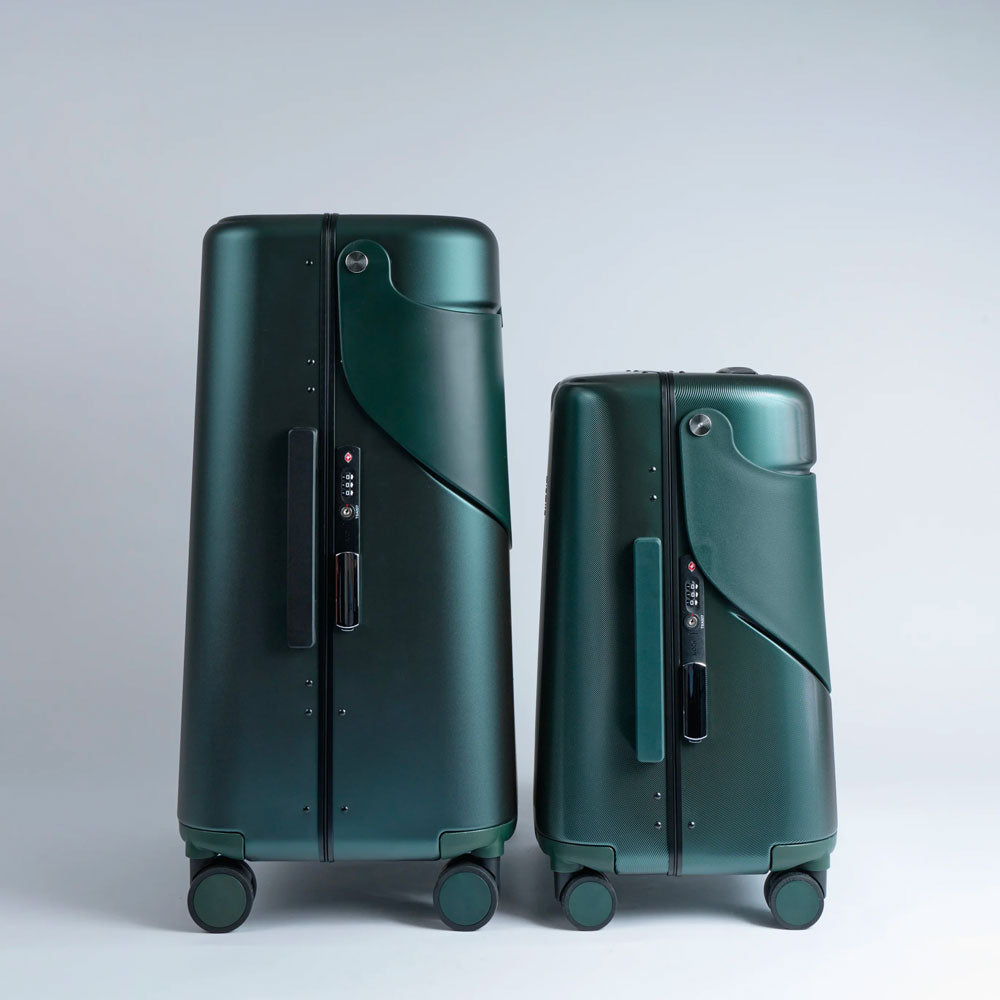
Investing in quality travel equipment designed for families makes every airport experience easier. Our MiaMily Carry-On combines practical storage with features that directly address family needs. Organized compartments mean finding snacks, wipes, or entertainment doesn't require unpacking everything in a crowded gate area.
The importance of thoughtful travel gear design recently received recognition when MiaMily won gold at the Junior Design Awards 2025, validating that parents genuinely need and appreciate equipment that understands their challenges.
Essential gear for smoother layovers includes:
- Lightweight, convertible bags that transition from backpack to roller easily
- Travel-friendly changing pads that fold small but provide clean surfaces
- Collapsible water bottles that save space when empty
- Portable phone chargers to keep entertainment devices powered
- Small first-aid kit with bandages, fever reducer, and necessary medications
- Compact blanket or large scarf for creating cozy corners or nursing privacy
For families evaluating options, reading about the best family luggage for every type of trip helps match gear to specific travel patterns. Implementing a stress-free packing system before leaving home pays dividends during layovers. When everything has its designated pocket, finding items quickly becomes automatic rather than stressful.
Creative movement and energy-release ideas between flights
Children need to move. Fighting this biological reality creates unnecessary conflict. Instead, build movement into layover plans intentionally.
Safe movement activities in airport settings:
- Walking the terminal perimeter, turning it into an adventure
- Using empty gate areas for simple games like Simon Says or follow-the-leader
- Stretching exercises presented as animal imitations
- Dancing to music through headphones, making it a solo disco
- Practicing airplane movements: arms out like wings, zooming carefully around open spaces
Many airports feature long corridors perfect for energy release. Let toddlers push their own small rolling bags. It provides purpose, builds independence, and burns energy simultaneously. Ride-on luggage designed for toddlers transforms necessary transportation into entertainment, letting children feel useful while moving their bodies.
Stairs offer excellent energy release when available. Walking up and down a few flights, when safe and not crowded, provides a physical challenge and changes scenery. Always supervise closely and choose less-trafficked stairwells.
Window seats near gates become entertainment when you encourage children to watch the ground crew, baggage handlers, and planes taxiing. Narrate what's happening, ask questions, create stories about where planes might be going.
Don't underestimate the power of simply going for a walk together. Even if you're just moving in circles around the terminal, the act of walking side-by-side, talking, and observing helps time pass and energy dissipate naturally.
How to maintain routines during delays and evening layovers
Routines provide security for children, especially in unfamiliar environments. While perfect routine maintenance during travel is impossible, preserving key elements helps children cope better with disruption.
Core routine elements to maintain:
- Meal timing as close to normal as possible
- Familiar snacks that signal snack time at home
- Quiet time or rest period, even if actual sleep doesn't happen
- Bedtime rituals adapted to airport settings
Evening layovers challenge families the most because they conflict directly with sleep schedules. If your layover extends past normal bedtime, find quieter terminal areas away from main thoroughfares. Many airports have prayer rooms or designated quiet zones that work well for settling overtired children.
Change into comfortable clothes if possible. Even this simple shift signals to children that different behavioural expectations apply. Pack a favourite comfort item in your carry-on specifically for this purpose.
For delayed flights, transparency helps older children cope. Explain simply what's happening and what comes next. Children handle known challenges better than mysterious waiting.
Maintain your own calm. Children mirror parental energy. If you treat delays as catastrophic, they will too. If you approach unexpected waiting with patience and flexibility, you learn resilience.
Layovers don't have to mean misery. With preparation, appropriate gear, realistic expectations, and flexibility, they become manageable interludes in the journey rather than ordeals to endure. Every family finds their rhythm through experience, learning what works for their specific children and travel patterns.