





Travelling through an airport with a toddler can feel overwhelming, especially in busy European terminals where queues, security rules, and tight schedules create extra pressure for parents. This guide breaks down each step to help you move through the airport smoothly while keeping your toddler calm, comfortable, and entertained.
You'll learn how to prepare at home, what to pack in your carry-on, how to handle security checks with regulations in mind, and which travel gear makes transitions easier.
From managing long waiting times to preventing meltdowns, every tip is designed to give families more confidence and freedom while travelling. With a practical, family-first approach inspired by Miamily's expertise, this article helps parents turn stressful airport moments into manageable, even enjoyable, parts of the journey.
Why airports feel overwhelming when travelling with a toddler
Airports aren't designed with toddlers in mind. Long corridors, harsh lighting, constant announcements, crowds pushing past it's sensory overload for little ones who thrive on routine and familiar spaces. Travelling with a toddler means navigating an environment that actively works against their natural needs.
Toddlers need movement, but airports demand waiting. They need predictability, but flight schedules change. They need quiet moments to process new experiences, but terminals offer relentless stimulation. This fundamental mismatch creates stress for everyone.
Security checkpoints add another layer of complexity. You're expected to move quickly while managing belongings, removing shoes, lifting your child, and following constantly changing rules. Meanwhile, your toddler doesn't understand why they can't drink their water or why strangers are examining their favourite stuffed animal.
European airline family policies vary significantly between carriers and countries. Some airlines offer priority boarding for families, while others don't. Some provide changing tables on aircraft, others barely accommodate them. This inconsistency means parents can't rely on a universal standard of support.
The physical layout of major European hubs compounds the challenge. Airport transfer options for families at airports like Paris Charles de Gaulle or London Heathrow can involve shuttle buses, long walks, and multiple escalators. When you're carrying a tired toddler, managing luggage, and racing against tight connections, these distances feel impossible.
Understanding why airports feel overwhelming helps you prepare strategically rather than hoping everything will somehow work out.
How to prepare your toddler before reaching the airport
Mental preparation matters as much as physical packing:
- Start talking about the trip several days before departure. Use simple, positive language that builds excitement rather than anxiety.
- Show pictures or videos of airports and planes. Point out the big windows for watching aircraft, the moving walkways that feel like magic carpets, and the fun of rolling their own luggage. Frame the airport as an adventure rather than an obstacle.
- Practice key skills at home. Let your toddler roll a small suitcase around the house. Practice walking while holding hands without stopping. Play games that involve waiting patiently for short periods. These micro-rehearsals build confidence.
- Discuss security checks in age-appropriate terms. Explain that special helpers need to look at bags to keep everyone safe, that they might walk through a special doorway, that it's all normal and nothing to fear.
- Adjust your toddler's sleep schedule on travel days gradually if possible. If you have an early morning flight, shift bedtime and wake time by thirty minutes for several days before departure. This gentler transition prevents overtiredness, the enemy of smooth travel.
- Pack a comfort item—whether that's a special blanket, stuffed animal, or pacifier—in an easily accessible spot. When overwhelm hits, having something familiar provides instant reassurance.
What to pack in your toddler's carry-on for stress-free travel
The packing list for toddlers' European flights should balance preparation with practicality. Overpacking creates a burden, underpacking creates panic. The sweet spot lies in thoughtful selection.
Essential items that earn their space:
- Complete change of clothes, including socks and underwear
- Several small snacks in individual portions for variety
- Empty sippy cup or water bottle to fill after security
- Compact first aid supplies: bandages, fever reducer, prescription medications
- Small entertainment items: one new toy, one familiar favourite, a simple activity book
- Tablet or phone loaded with downloaded content
- Child-safe headphones with volume limits
- Wet wipes in a resealable pack
- Plastic bags for dirty clothes or motion sickness
Understanding baby food customs regulations prevents security checkpoint stress. In the EU, baby food and milk are exempt from the 100ml liquid restriction, but you may need to declare them. Bring only what you'll genuinely need during the journey—security personnel can test liquids, which delays everyone.
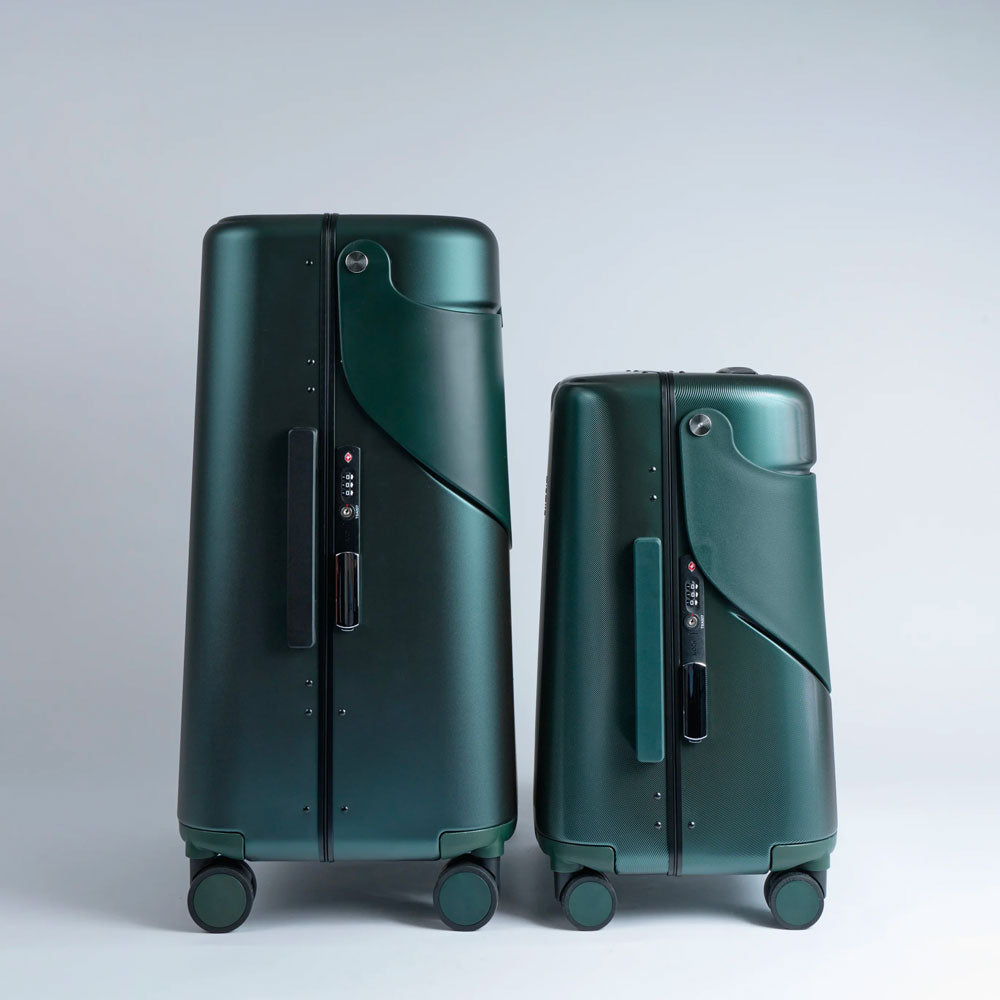
Smart organization matters as much as what you pack. Using a stress-free packing system means everything has its place. The MiaMily Carry-On exemplifies this approach with dedicated compartments that keep toddler essentials accessible without chaos.
When evaluating the best family luggage for every type of trip, prioritize bags that let you find items quickly. Digging through an unorganized bag while your toddler melts down in a security line helps nobody.
Toddler entertainment ideas for airports should be compact and engaging. Avoid anything with small pieces that scatter across terminal floors. Choose activities that work on laps or tray tables: magnetic games, reusable sticker books, and simple card games provide genuine engagement without mess or bulk.
Understanding how smart luggage design reduces family travel stress helps you invest in gear that actually solves problems. Multi-functional items, like ride-on luggage that keeps toddlers entertained, transform necessary equipment into solutions.
Getting through security and check-in without stress
Family check-in services in Europe vary by airport and airline:
- Research your specific terminal before departure. Many major hubs offer dedicated family lanes that reduce waiting time and provide more space for managing belongings and children simultaneously.
- Arrive earlier than standard recommendations suggest. While two hours might suffice for solo travellers, families need buffer time for bathroom breaks, snack stops, and the inevitable forgotten item that requires repacking.
- Dress yourself and your toddler in easy-on, easy-off shoes. Slip-ons save precious minutes at security. Avoid outfits with metal buttons, studs, or elaborate buckles that trigger additional screening.
- Prepare your bags before reaching security. Remove liquids, electronics, and any items that need separate screening. This advanced organization means you're not frantically digging while a line forms behind you and your toddler grows impatient.
Many European airports offer toddler-friendly airport zones near security and gates. Frankfurt, Munich, and Amsterdam particularly excel at providing designated play areas. Arrive early enough to let your toddler burn energy in these spaces before boarding. A tired toddler is often a calmer toddler.
Look for airport soft play recommendations specific to your terminal. Apps and airport websites often map family facilities, but they're not always accurate. Ask information desk staff for the current locations of play areas, family bathrooms, and quiet spaces.
When and why to use a baby carrier or compact travel seat
Baby carriers prove invaluable when navigating terminals, especially during transfers between gates or terminals. Keeping your hands free while your toddler rests against you makes navigation infinitely easier.
The MiaMily HIPSTER Air and HIPSTER Essential Carriers distribute weight ergonomically, preventing back pain that can occur from carrying toddlers for extended periods. They pack down small when not in use, taking minimal carry-on space.
Use carriers strategically rather than constantly. Let toddlers walk when spaces are open and safe, burning energy and building independence. Deploy the carrier when you need to move quickly, navigate crowds, or when exhaustion hits.
Compact travel seats work well for long waits at gates. They provide a defined, comfortable space that helps toddlers settle during boring waiting periods. Choose options that fold flat and weigh minimal amounts—every kilogram counts when traveling with children.
Final checklist for smooth family travel through airports
As departure day approaches, run through this practical checklist:
Documents and essentials:
- Passports and any required visas checked for validity
- Boarding passes downloaded or printed
- Vaccination certificates, if required
- Travel insurance informationis accessible
- Emergency contacts list saved offline
Day-of-departure preparation:
- Feed your toddler a substantial meal before leaving home
- Pack one more diaper than you think you'll need
- Fill any prescription medications with extra doses
- Charge all devices fully and pack backup chargers
- Wear comfortable clothing with pockets for quick access to items
Mental preparation:
- Accept that something will probably not go perfectly
- Build extra time into every step of your plan
- Remember that other travellers are generally understanding
- Keep perspective: you're creating memories, not achieving perfection
Using airport resources:
- Identify family bathroom locations in your terminal
- Locate the nearest play area to your departure gate
- Note which cafes or restaurants offer highchairs
- Find water fountains for refilling bottles post-security
The key to surviving airports with toddlers isn't controlling every variable—it's preparing for flexibility. When you've packed thoughtfully, explained what's coming, and given yourself a time buffer, unexpected delays or changes become manageable rather than catastrophic.
Every trip teaches you something about your family's specific needs and patterns. Travel with toddlers gets easier with experience, not because toddlers change dramatically, but because you learn what matters and what's just noise.
Airports transform from overwhelming obstacles into simply the first part of the adventure. With the right preparation, appropriate gear, and realistic expectations, you'll move through terminals with confidence rather than dread.