





Travelling with kids can feel challenging, but the right preparation makes flights calmer and more enjoyable. This guide shares simple, parent-tested strategies to reduce stress, improve comfort, and create a smooth family travel experience.
Flying with children doesn't have to mean chaos at 30,000 feet. Between juggling bags, soothing anxious little ones, and managing meltdowns, air travel can test even the most organized parents. But with intentional preparation and proven strategies, family flights can shift from overwhelming to surprisingly manageable.
The secret lies in understanding what works. Not trendy hacks, but practical approaches that real parents use flight after flight. It's about packing smarter, preparing children emotionally, and choosing comfort over perfection. When parents feel prepared, children sense that calm. And when children feel safe and comfortable, the entire flight experience transforms.
Why flying with kids often feels overwhelming for parents
There's a moment just before boarding when many parents feel their heart rate spike. Will the baby cry? Will the toddler refuse to sit? That pressure comes from several places at once.
First, there's the physical challenge. Traveling with kids means coordinating nap times, meal schedules, and bathroom breaks while navigating security lines and gate changes. Then there's the mental load: snacks, entertainment, comfort items, spare clothes. The worry that you've forgotten something essential lingers long after take-off.
Finally, there's social pressure. The fear of disturbing other passengers can make parents tense, which children pick up on instantly. Understanding these layers helps you address each part systematically, turning anxiety into actionable steps.
How overpacking makes flights harder for children and adults
More isn't better when it comes to what to pack when flying with kids. Overpacking creates more problems than it solves. Heavy bags are harder to manage through airports, and excess luggage means more stress when moving quickly through terminals.
Children don't need their entire toy collection at cruising altitude. What they need is a few carefully chosen items that provide genuine comfort and distraction. A beloved stuffed animal, one or two small activities, maybe a tablet. Simplicity wins.
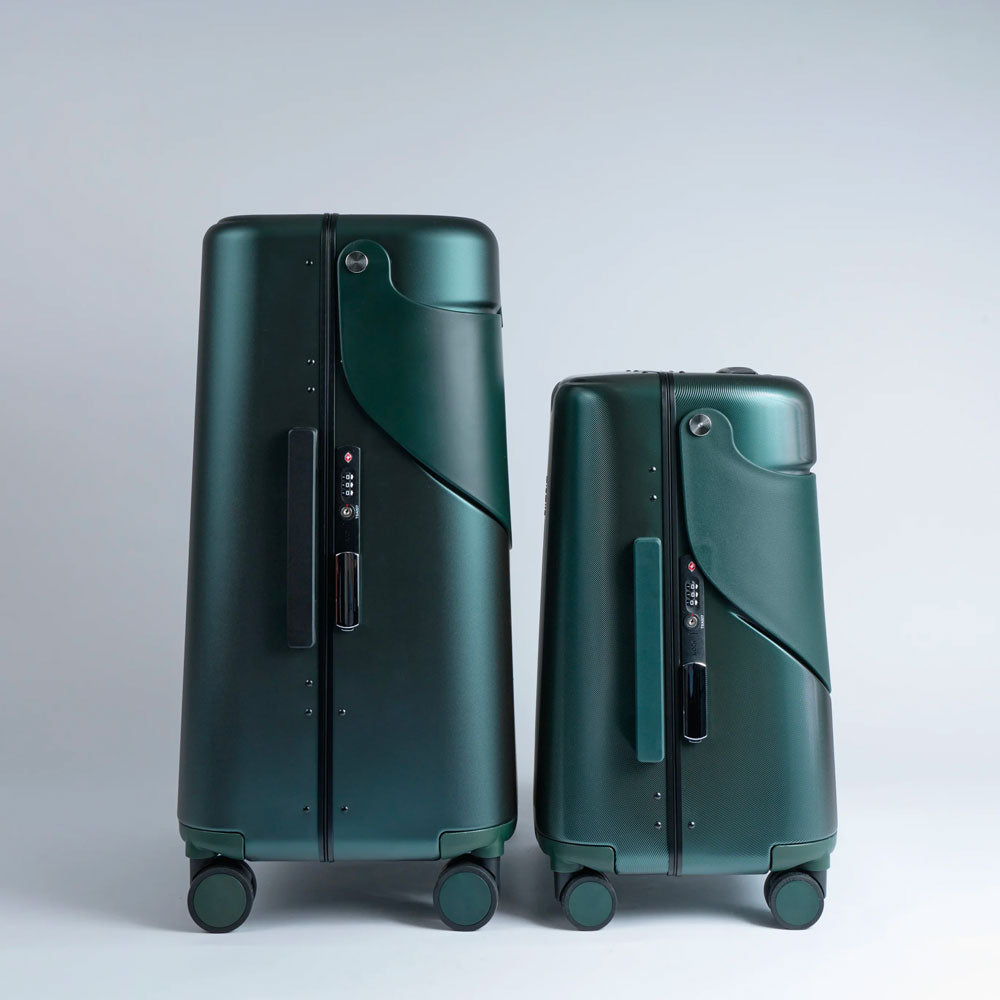
Lightweight travel gear for families makes everything easier, from navigating narrow airplane aisles to fitting everything in overhead compartments. Smart parents know that traveling with a well-organized packing system transforms the experience. Consider a carry-on bag designed for family travel, with dedicated sections that keep essentials accessible.
For longer trips requiring a check-in suitcase, the golden rule remains: edit ruthlessly. Every item should earn its place. This approach reduces physical burden and mental clutter, letting you focus on what truly matters.
Preparing kids for takeoff and landing to reduce anxiety
The moment engines roar to life, some children light up with excitement, while others grip the armrest with white knuckles. Preparing babies for take off and helping older kids understand what's happening makes an enormous difference:
- Start the conversation before reaching the airport. Explain what flying feels like in simple, positive terms. Talk about the sensation of climbing into the sky, the view from the window, and the feeling in their ears. Knowledge reduces fear.
- For babies and toddlers, feeding during takeoff and landing helps tremendously. The sucking motion, whether from bottle, breast, or pacifier, naturally equalizes ear pressure. It's both soothing and practical;
- Older children benefit from techniques they can control. Teach them to yawn, swallow frequently, or blow their nose gently. Give them gum to chew or a lollipop to suck. Turning pressure relief into a game makes it less scary and more engaging.
Creating travel routines for toddlers that include these comfort strategies helps immensely. When ear pressure relief becomes part of the familiar routine, children approach it with confidence rather than fear.
The best snack strategy for calm and comfortable family flights
Never underestimate the power of the right snack at the right moment. Food does more than satisfy hunger on a plane. It provides comfort, distraction, and normalcy when everything else feels unfamiliar.
The best snacks for kids on a plane are mess-free, easy to eat, and don't require refrigeration. Think crackers, dried fruit, granola bars, pouches of applesauce, or yogurt. Small portions work better than large ones. Frequent small snacks keep blood sugar stable and give children something to look forward to throughout the flight.
Avoid anything too sugary. That initial energy spike inevitably leads to a crash. Similarly, skip anything crumbly that will coat the seat and floor.
Timing matters as much as selection. Don't wait until your child is already hungry and melting down. Offer snacks proactively during potential trouble spots: long taxi delays, mid-flight boredom, descent anxiety. Keeping kids calm during travel often comes down to anticipating needs before they become problems.
Pack more than you think you'll need, but keep portions reasonable. A variety of small options beats three enormous snacks. Children appreciate choice, giving them a sense of control during a situation where they control very little.
Choosing comfortable outfits that help children relax on the plane
Clothing choice matters more than most parents realize. Uncomfortable clothes create fidgeting, irritability, and complaints that make long flights feel endless. Comfort isn't a luxury for family travel; it's essential.
Dress children in soft, stretchy fabrics without buttons, snaps, or anything restrictive. Think cozy leggings, soft t-shirts, and comfortable joggers. Layers work beautifully since airplane temperatures fluctuate wildly.
Skip anything too formal. During the flight, prioritize ease and comfort. Elastic waistbands mean easier bathroom trips. Slip-on shoes mean faster security clearance and less hassle when little feet need to stretch.
For flying alone with children, comfortable clothing becomes even more important. When managing everything solo, you don't want complicated outfits or wardrobe malfunctions in cramped airplane bathrooms. Don't forget about yourself; parents deserve comfortable clothing too.
Simple travel tips that turn family flights into a better experience
Small adjustments create remarkable improvements in how to make flights easier with toddlers and older children. Here are practical strategies that seasoned traveling families rely on:
- Board last, not first. Unless you need extra time for special assistance, there's no benefit to sitting on a plane longer than necessary. Let children burn energy in the gate area until final boarding call. Those extra minutes of movement make settling into seats much smoother.
- Choose seats strategically. Window seats give children something to look at and lean against for napping. Aisle seats give parents easier bathroom access. Consider your family's specific needs, whether proximity to lavatories or distance from galley noise.
- Bring entertainment, but not too much. One or two special activities they haven't seen before, creating genuine excitement. Familiar items provide comfort. Balance novelty with security, introducing new things while keeping beloved items within reach;
- For families with babies and young children, consider investing in travel gear designed specifically for little ones. Items like ride-on luggage that doubles as entertainment can transform airport time from tedious waiting into playful moments that tire kids out before boarding.
- European family travel tips often emphasize efficiency and multi-functionality. European airports can involve long walks between gates, so gear that serves multiple purposes saves energy for what matters most: enjoying the journey itself.
- Set realistic expectations. Some flights go smoothly; others won't. That's normal and doesn't reflect on your parenting. What matters is thoughtful preparation and approaching the experience with flexibility rather than rigid perfection.
Remember that other passengers are often more understanding than you expect. Your children will learn, grow, and develop resilience through travel experiences. Every flight is practice, building confidence for the next adventure.
Family travel isn't about perfection. It's about connection, adventure, and the stories you'll tell for years to come. With preparation, patience, and smart strategies, those stories can be joyful ones. The best family flights happen when parents feel confident, children feel comfortable, and everyone approaches the journey with curiosity rather than dread.